Saturday, 6 June 2026

LED light sensitivity and how to tame modern appliances.

 I am sensitive to LED light and am fortunate to live with a couple of very capable engineers. I'm learning a bit at a time how to work with modern appliances that have a lot of LED lights on them. 

I'm going to write up what we're doing here in case it helps anybody else, as I know there are huge numbers of people with the same problem. 

My PC is a desktop with a special graphics card that allows it to work with an old fluorescent lit apple cinema screen. I can explain more if needed. 

I have a G100 motorola smartphone, which is okay for short use by me, and I can also plug into my pc so I can control it from my computer screen using an application called scrcpy. I was able to choose the smartphone by looking at the pulse width modulation data for the phone on the notebookcheck website. To find the pulse width modulation data there do Ctrl-f and search for "pwm".

Washing machines have just become difficult because they now have control panels backlit with very piercing LED lights which strobe on and off about 100 times a second and when off, their brightness is reduced by 97%. This is basically the sweet spot for triggering migraines. 

I have bought one of these washing machines and I can use it because my very smart son had the idea of sticking electricians tape over the buttons and labelling them so we know which one is which. So I can turn the knob and then press the bit of electricians tape to start the machine. This works just fine and means I don't get blasted by the LED lights every time I use the machine. 


This is the eye searing bright, migraine-inducing screen in its normal state:


This is the version with my son's new user interface made of electrician's tape and label printer stickers over it. The new version works perfectly and I don't need to look at the lights at all to use the machine. 


I can also control the machine from the miele app on my phone, which I can connect to my computer for complete absense of eyestrain. The Machine is a WEE385. It is about the most silent washing machine available too, which really does help a lot. 

The next new problem is with cars, in which it's now practically impossible to avoid massive banks for LED backlit screens. 

I figured out that answer to this is to buy a Vauxhall corsa. The screens are small and uncluttered in these cars, and if you put the headlights on all the time, then you can dim the screen almost to nothing. With my very sensitive eyesight, I can still read the screen just fine, but it means that it doesn't hurt my eyes. It's possible to buy these as a fully electric vehicle too, so I can be fully modern and do my bit for netzero without having to live with the modern craze for superbright LEDs everywhere. Very happy. 

I still having figured out how to sort out the lights in church sancturies other than by asking very nicely for people to turn them off. That is a tricky one. 

I had a very very bad street light outside of my house that was truly awful, but the kind people at the LightAware charity sent a legal letter to the council, and the council changed the light bulb to one with a much lower colour temperature, fitting with the conditions suggested in the letter. The new light bulb is fine. 

I hope this helps a few people. 

Thanks!


Wednesday, 22 October 2025

Work done at St Giles.


Tree branch in neighbour's space. 


Branch gone


Ivy on neighbour's fence


Ivy Gone


Ground swept clean and tree bits neatly stacked. 

(the bin was locked behind a gate)


Monday, 5 January 2015

The complex romantic life of the fern.

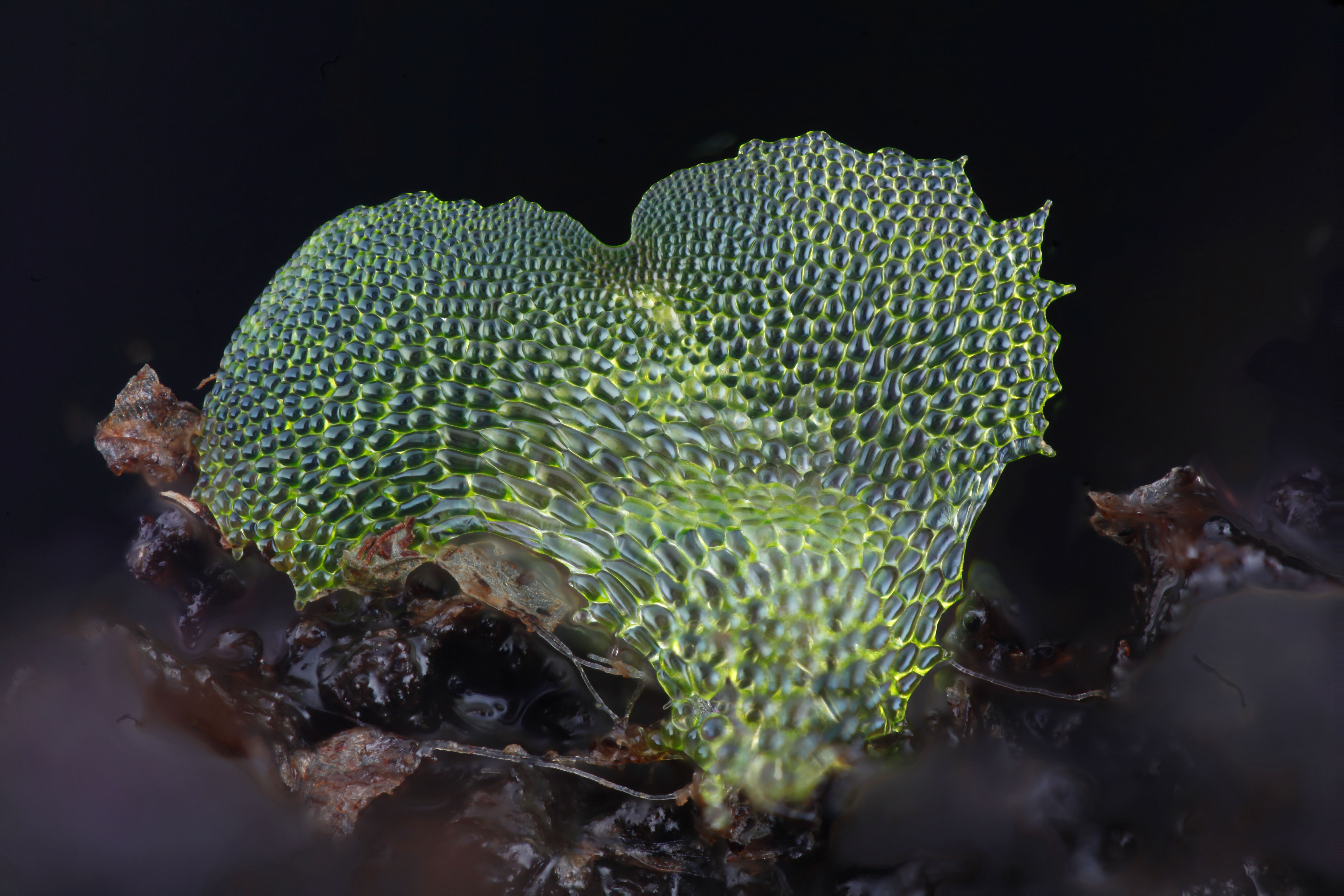
The plant below is a gametophyte fern. 
It looks strikingly like an early stage Arabidopsis thaliana embryo. 


What is a gametophyte fern? 

It is less than about half a centimetre across, and it will never get very much bigger than this. What is it though, and how does it relate to the big ferns (like the one below) that we are more familiar with from our gardens?

A sporophyte generation plant of the species Dryopteris wallichiana.


Ferns are not quite like people in their mode of their reproduction. They have a system called "alternation of generation". 

In alternation of generation, there are two separate generations in the life cycle of the plant, each one giving rise to the other. 

A tiny gametophyte plant (top photo above) reproduces to make a new large sporophyte plant (second photo above). Then the large sporophyte plant reproduces to make a new tiny gametophyte plant. And round they go again, alternating between sporophyte and gametophyte for ever.

The two plants are both individuals in their own right, and they can live independently of one another.

What are these sporophytes and gametophytes?


A sporophyte fern is a large plant that produces spores. We can easily see the spores clustered on the underside of the leaves of ferns that we meet in the garden. The spores each have only one set of chromosomes. When they fall off the leaves of the large sporophyte fern, they land on the ground and develop into tiny gametophyte plants.

The tiny gametophyte plants have only one set of chromosomes in each of their cells. The plants never grow much larger than a centimetre across. At maturity (a few weeks) they produce egg and sperm cells which also only have one set of chromosomes. 

The sperm cell swims across the plant's surface to either the egg cells of that same plant, or possibly even to those of an adjacent plant. When it finds an egg cell, it fertilises it. This fertilisation event produces a cell with two sets of chromosomes, which then goes on to develop into a large sporophyte fern plant.

It always astonishes me that something as deceptively simple as a fern has such a complicated life cycle. It actually includes two completely different plants, which take turns in living their lives.

Some sporophyte ferns are large trees. So this alternation of generation is the size equivalent of a skyscraper giving birth to a shoe, which then gives birth to a new skyscraper. It's pretty odd, and pretty amazing. What's more, the process has been going on quietly and successfully for many many more years than human reproduction, in spite of its complexity.


Here are some more photos of gametophyte ferns.


If you would like to know more about how these photos were taken, please visit http://chlorophyllosophyimages.blogspot.com/2017/12/focus-stacking-setup.html

If you would like to grow your own fern gametophytes, please visit this page:

Sunday, 26 October 2014

Marsh orchid


The photographs below are of a group of Marsh orchids (a Dactylorhiza species, probably Dactylorhiza majalis.)

The plants grow wild in a large garden in the west of Scotland and one is a very nice large example. You can see the scale from the last photograph by comparing with the adjacent buttercups.

Aren't they stunning? :-)


Tuesday, 25 March 2014

Growing Fern Gametophytes

This is a gametophyte of the fern Asplenium scolopendrium. It is only about 2mm across and is composed of a heart shaped sheet of cells that is only one cell thick. 


Fern gametophytes are easy to grow. You need a clean pot filled with potting compost. First scald the compost by pouring boiling water through it. This kills off any fungi that could harm the gametophytes. 

Scalding soil before sowing fern spores.


Next allow the soil to drain and cool completely to room temperature. Once the soil is cool, sprinkle the fern spores on the surface of the soil. Then enclose the whole pot in a large freezer bag. Inflate the bag by blowing into it, and knot it at the top. The picture below shows a blue bag, but the bag must be transparent, and should ideally be colourless.

Enclosing the pot in a bag to give a humid atmosphere and to avoid needing to water the pot.


Put the whole assembly somewhere at room temperature by a window that is not too hot or bright. In Cambridge I find that they grow best in winter as the window light is too bright in summer. Check occasionally for growth. The pot will not need watered, and the bag will not need to be removed until the sporophyte plant is well developed. The gametophyte will be visible within a couple of months.